Wednesday, 14 December 2022

Global Solar Irradiation Modelling and Prediction Using Machine Learning Models for Their Potential Use in Renewable Energy Applications

 Mathematics 2022, 10(24), 4746


Global solar irradiation is an important variable that can be used to determine the suitability of an area to install solar systems; nevertheless, due to the limitations of requiring measurement stations around the entire world, it can be correlated with different meteorological parameters. To confront this issue, different locations in Rias Baixas (Autonomous Community of Galicia, Spain) and combinations of parameters (month and average temperature, among others) were used to develop various machine learning models (random forest -RF-, support vector machine -SVM- and artificial neural network -ANN-). These three approaches were used to model and predict (one month ahead) monthly global solar irradiation using the data from six measurement stations. Afterwards, these models were applied to seven different measurement stations to check if the knowledge acquired could be extrapolated to other locations. In general, the ANN models offered the best results for the development and testing phases of the model, as well as for the phase of knowledge extrapolation to other locations. In this sense, the selected ANNs obtained a mean absolute percentage error (MAPE) value between 3.9 and 13.8% for the model development and an overall MAPE between 4.1 and 12.5% for the other seven locations. ANNs can be a capable tool for modelling and predicting monthly global solar irradiation in areas where data are available and for extrapolating this knowledge to nearby areas.


Monday, 12 December 2022

Host–Guest Complexes

 Int. J. Mol. Sci. 2022, 23(24), 15730


This article belongs to the Special Issue Host-Guest Complexes and corresponds with the special issue editorial. In this Special Issue, we hope to address both the structural aspects of the formation and stability of these inclusion complexes as well as the energetic aspects associated with them, together with the different instrumental techniques used to characterise them, addressing the aspects related to molecular recognition and conformational switching. Of course, we must also take into account the aspects related to the technological applications of these compounds. In fact, they show important potentialities in topics such as superconductivity phenomena, the design of sensors, and food chemistry, agricultural chemistry, or their applications in matters of the environment.

Friday, 2 December 2022

Comparison of machine learning techniques for reservoir outflow forecasting

 Nat. Hazards Earth Syst. Sci., 22, 3859–3874, 2022


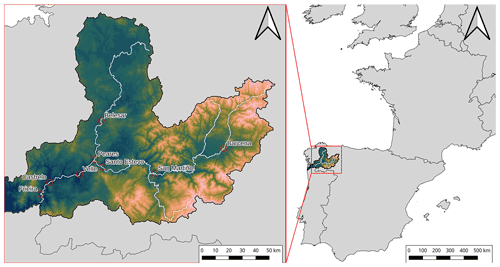
Reservoirs play a key role in many human soci- eties due to their capability to manage water resources. In addition to their role in water supply and hydropower pro- duction, their ability to retain water and control the flow makes them a valuable asset for flood mitigation. This is a key function, since extreme events have increased in the last few decades as a result of climate change, and therefore, the application of mechanisms capable of mitigating flood dam- age will be key in the coming decades. Having a good esti- mation of the outflow of a reservoir can be an advantage for water management or early warning systems. When histori- cal data are available, data-driven models have been proven a useful tool for different hydrological applications. In this sense, this study analyzes the efficiency of different machine learning techniques to predict reservoir outflow, namely mul- tivariate linear regression (MLR) and three artificial neu- ral networks: multilayer perceptron (MLP), nonlinear au- toregressive exogenous (NARX) and long short-term mem- ory (LSTM). These techniques were applied to forecast the outflow of eight water reservoirs of different characteristics located in the Miño River (northwest of Spain). In general, the results obtained showed that the proposed models pro- vided a good estimation of the outflow of the reservoirs, im- proving the results obtained with classical approaches such as to consider reservoir outflow equal to that of the previous day. Among the different machine learning techniques anaAbstract. Reservoirs play a key role in many human soci- eties due to their capability to manage water resources. In addition to their role in water supply and hydropower pro- duction, their ability to retain water and control the flow makes them a valuable asset for flood mitigation. This is a key function, since extreme events have increased in the last few decades as a result of climate change, and therefore, the application of mechanisms capable of mitigating flood dam- age will be key in the coming decades. Having a good esti- mation of the outflow of a reservoir can be an advantage for water management or early warning systems. When histori- cal data are available, data-driven models have been proven a useful tool for different hydrological applications. In this sense, this study analyzes the efficiency of different machine learning techniques to predict reservoir outflow, namely mul- tivariate linear regression (MLR) and three artificial neu- ral networks: multilayer perceptron (MLP), nonlinear au- toregressive exogenous (NARX) and long short-term mem- ory (LSTM). These techniques were applied to forecast the outflow of eight water reservoirs of different characteristics located in the Miño River (northwest of Spain). In general, the results obtained showed that the proposed models pro- vided a good estimation of the outflow of the reservoirs, im- proving the results obtained with classical approaches such as to consider reservoir outflow equal to that of the previous day. Among the different machine learning techniques analyzed, the NARX approach was the option that provided the best estimations on average.


Thursday, 1 December 2022

Prospecting the role of nanotechnology in extending the shelf-life of fresh produce and in developing advanced packaging

 Food Packaging and Shelf Life, 34, 100955, 2022


Fruits and vegetables contain excellent amounts of nutritional and bioactive compounds. The maintenance their shelf-life and prevention from decay, quality deterioration, and microbial spoilage of the fresh produce are the major challenges for food processing industries. Several techniques such as physical, chemical, and bio-preservation are used to extend the shelf-life of fresh produce. However, these techniques could not fully sustain because of their higher cost, and side-effects. In past few decades, nanotechnology came into existence, which provides a green, novel and cutting-edge solution to preserve fresh produce. Organic, inorganic, and combined engineered nanomaterials (nano-particles, nano-composites, nano-emulsion, nano-tracers, nano-packaging, and nano-sensors) are broadly used in shelf-life improvement of fresh produce because of their broad surface to volume ratio, higher barrier property, and better antimicrobial spectrum. This review comprehensively discusses various methods, components, and roles of nanotechnology for extending the shelf-life of fresh produce and scope of developing advanced packaging.


Wednesday, 30 November 2022

Científicos, palangreiros e administración poñen en valor os beneficios nutricionais do consumo das grandes especies peláxicas

Presentáronse os resultados dun estudo do Grupo de Investigacións Agroambientais e Agroalimentarias sobre catro especies “ricas en proteínas de alto valor biolóxico” e ácidos graxos poliinsaturados.


A comunidade investigadora, palangreira e a administración puxeron este martes en valor os beneficios do consumo das grandes especies peláxicas, así como o efecto protector que ten o selenio fronte a contaminantes ambientais como o mercurio. Fixérono con argumentos científicos nun congreso celebrado nas instalacións da Autoridade Portuaria de Vigo e no que se presentaron os resultados do proxecto 'Beneficios do consumo das especies tiburón azul (Prionace Glauca), marraxo (Isirus oxyrinchus), peixe espada (Xiphias gladius) e atún vermello (Thunnus thynnus)', estudo realizado polo Grupo de Investigacións Agroambientais e Agroalimentarias da Universidade de Vigo, liderado polo profesor Jesús Simal, a iniciativa de Sealab, a OPP Burela (Organización de Produtores Pesqueiros do Porto de Burela), Opromar (Organización de Produtores de Pesca do Porto e Ría de Marín), Carbopesca (Organización de Produtores Pesqueros Pescadores de Carboneras) e a OPP78 (Organización de Productores Pesqueros Artesanales del Estrecho).

A inauguración do encontro estivo presidida pola conselleira do Mar, Rosa Quintana, quen destacou a importancia de desenvolver este tipo de iniciativas para difundir os beneficios nutricionais dos produtos do mar e a sustentabilidade da actividade marítimo-pesqueira. Neste liña pronunciáronse tamén os seus acompañantes de mesa, entre eles a vicerreitora de Benestar, Equidade e Diversidade, María Isabel Doval, quen destacou que desde a Universidade de Vigo se valora moito calquera acción que teña que ver co peixe, “fonte de saúde”, e coa dieta atlántica como exemplo claro de alimentación saudable. “En dieta atlántica o sur de Galicia ten moito que achegar”, subliñou a vicerreitora, quen tamén adiantou que os resultados finais do proxecto serán difundidos entre a comunidade universitaria, “sobre todo nas nosas facultades de Educación, o mellor xeito de que cheguen ás escolas e ás familias, e tamén entre as empresas concesionarias dos comedores universitarios”.

Xunto a elas participaron tamén na inauguración do congreso o presidente da Autoridade Portuaria de Vigo, Jesús Vázquez Almuiña; o director da Organización de Produtores de Pesca Fresca do Porto e Ría de Marín, Juan Carlos Martín, e o director da Organización de Produtores Pesqueiros de Burela, Sergio López.


En canto ao valor nutricional destas especies, desde o Grupo de Investigacións Agroambientais e Agroalimentarias adiantaron no congreso que estas catro especies “son ricas en proteínas de alto valor biolóxico e cun excelente perfil aminoacídico, xa que son fonte de aminoácidos esenciais, entre eles: histidina, isoleucina, leucina, lisina, treonina, triptófano, valina, fenilalanina, metionina, chegando a achegar entre o 40 e o 60% da inxesta diaria recomendada de todos os aminoácidos esenciais”, explica o profesor Miguel Ángel Prieto, membro do comité científico do congreso xunto a Jesús Simal.

Ademais, segundo explicaron os coordinadores do estudo, estas especies achegan ácidos graxos poliinsaturados, principalmente omega 3, ácido eicosapentaenoico (EPA) e ácido docosahexaenoico (DHA), que demostraron ser beneficiosos para a saúde cardiovascular. “Entre estas catro especies destaca o atún vermello, unha das que maior contido de EPA e DHA achega”, explica Prieto. Por outra banda, son fonte de vitaminas liposolubles, como as vitamina A e D, e hidrosolubles, como as vitaminas do complexo B, principalmente niacina (B3), piridoxina (B6) e cobalamina (B12). A maiores, os expertos subliñaron que estas especies destacan tamén polo seu alto contido de minerais como o Selenio (Se), Zinc (Zn), Cobre (Cu) e Manganeso (Mn).

No relativo aos posibles prexuízos derivados da posible presenza de mercurio, os investigadores da UVigo destacan que “aínda que é certo que estas especies, polo lugar que ocupan na cadea trófica e por ser especies lonxevas, acumulan máis cantidade de mercurio en comparación con especies de menor tamaño”; con todo, tamén presentan bondades nutricionais que os converten nunha opción para explorar á hora de elixir. Neste sentido, resaltan a importancia de coñecer as recomendacións de consumo realizadas polas autoridades, especificamente pola Axencia Española de Seguridade Alimentaria e Nutrición (AESAN) que recomenda para a poboación en xeral o consumo de 3–4 racións á semana de peixe procurando variar as especies entre peixes brancos e azuis. “So se fixa unha dose menor a grupos de poboación vulnerables, como os nenos entre 10 e 14 anos, onde limita o consumo destas especies a 120 g/mes, e as mulleres embarazadas ou que planeen estalo, casos nos que se desaconsella o consumo destas especies”. 


O estudo, do que ao longo desta mañá se están a presentar un primeiro avance de resultados, arrancou en febreiro de 2021 e rematará en 2023. Xira en torno a tres eixes fundamentais: realizar unha avaliación científica do valor nutricional e os beneficios do consumo destas catro especies; avaliar os datos teóricos das inxestas máximas recomendadas e os niveis máximos de mercurio permitidos, revisando o contido en mercurio de outros alimentos e comparando o risco do seu consumo; e determinar si o contido en selenio destas especies é suficiente para contrarrestar o efecto negativo do mercurio na saúde humana. Á espera das conclusión definitivas, os primeiros indicios invitan ao sector ao optimismo.

Fuente: DUVI

Wednesday, 16 November 2022

IV Xornada de Concienciación sobre o uso dos antibióticos


  • Lugar: Salón de Graos do Edificio Politécnico do Campus de Ourense
  • Data: xoves, 17 de novembro de 2022
  • Hora: ás 17.00h


  • 17.00h Presentación
  • 17.10h O piollo do salmón: xaque á salmonicultura

Dr. Raúl Iglesias Blanco (Profesor da área de Parasitoloxía na Universidade de Vigo)

  • 17.45h Inicio do Proxecto MicroMundo@UVigo3.0: aprendizaxe-servizo para a busca de microorganismos produtores de novos antibióticos(Curso2022-2023)

Dra. Julia Carballo Rodríguez (Profesora da área de Microbioloxía e Instructora MicroMundo na Universidade de Vigo)

  • 18.15h Mesa redonda sobre a participación no proxecto MicroMundo@UVigo

Participantes: Dna. María José Rodríguez Fernandez (Tutora, IES O Couto)

Alumnado do IES O Couto

D. Tomás González Rivas (Alumno da Facultade de Ciencias)

Dna. Julia Carballo Rodríguez (Instructora, Facultade de Ciencias)

  • 19.00h Clausura

Wednesday, 9 November 2022

“Ficus carica L.” and its by-products: A decade evidence of their health-promoting benefits towards the development of novel food formulations

 Trends in Food Science & Technology, 127, 1-13, 2022


Background
The food industry constantly searches for natural derived bioactive molecules with preventive and therapeutic effects using innovative and sustainable strategies. Fig production and processing generate a considerable amount of by-products (leaves, pulp, peels, seeds, and latex) with limited commercial exploitation and negative impact on the environment. These by-products are important sources of high value-added ingredients, including anthocyanins and pectins that can be of particular interest to the food industry as functional colourants, emulsifiers, and additives.

Scope and approach
This review curates recent advances in the valorisation of fig by-products as valuable sources of bioactive molecules for functional food development. Special attention was given to widely used extraction processes, main bioactive compounds, relevant biological properties, and the application of recovered bioactives for functional food development.

Key findings and conclusions
Fig by-products are essential sources of structurally diverse bioactive molecules with unique antidiabetic, anti-inflammatory, anti-tumour, immunomodulatory and cardioprotective properties. Owing to these health-promoting potentials, an integral valorisation approach involving sustainable technologies to recover these high value-added ingredients and its utilisation in novel food formulation development should be further stimulated.


Wednesday, 2 November 2022

 Food Science and Human Wellness, 11(6), 1482-1490, 2022


The present study aimed at making a rational usage for European eel bone by-products by preparing Europen eel bone peptide chelated calcium (EBPC-Ca). Nutritional properties and bioactivity of EBPC-Ca were evaluated. Results showed that nutritional properties of calcium ions will cause intra- and inter-molecular folding and aggregation of peptide to uniformly form EBPC-Ca chelate. The chelated compound of EBPC and calcium ion triggered a strong apoptosis in heterogeneous human epithelial colorectal adenocarcinoma (Caco-2) in concentration- and time-dependent manners. Western blot analysis revealed that the EBPC-Ca induced apoptosis may be the result of a blocked autophagy flux through mitochondrial-dependent pathway. Additionally, the increase in FGF-23 protein expression inhibited the absorption of calcium ions and alleviated cell apoptosis. It was also found that the cell apoptosis occurs with significant increases in the levels of reactive oxygen species (ROS) and Ca2+ in the cells, indicating the anti-tumor potential of EBPC-Ca may involve multiple channels.


Tuesday, 1 November 2022

Marine Macrolides to Tackle Antimicrobial Resistance of Mycobacterium tuberculosis

 Mar. Drugs 2022, 20(11), 691


Tuberculosis has become a major health problem globally. This is worsened by the emergence of resistant strains of Mycobacterium tuberculosis showing ability to evade the effectiveness of the current antimycobacterial therapies. Therefore, the efforts carried out to explore new entities from many sources, including marine, are critical. This review summarizes several marine-derived macrolides that show promising activity against M. tuberculosis. We also provide information regarding the biosynthetic processes of marine macrolides, including the challenges that are usually experienced in this process. As most of the studies reporting the antimycobacterial activities of the listed marine macrolides are based on in vitro studies, the future direction should consider expanding the trials to in vivo and clinical trials. In addition, in silico studies should also be explored for a quick screening on marine macrolides with potent activities against mycobacterial infection. To sum up, macrolides derived from marine organisms might become therapeutical options for tackling antimycobacterial resistance of M. tuberculosis.

Thursday, 27 October 2022

A review on biogenic green synthesis of ZnO nanoparticles by plant biomass and their applications

 Materials Today, 33, 2022, 104747


Nanobiotechnology has recently gained prominence as a fundamental branch of modern science and a novel epoch in the field of material researches. Due to a wide range of applications it attracts attention of many scientists from all over the world. Bionanomaterials are prepared using a variety of physical, chemical, and biological techniques and methods. Many different metal and metal oxide nanoparticles are reported to be produced by biological systems, including bacteria, fungi, actinomycetes, yeasts, viruses, and plants. Among all of them, biocompatible zinc oxide nanoparticles (ZnO NPs), obtained through biosynthesis with the aid of plant-derived materials, appears to be a highly successful way to create a fast, clean, non-toxic, and environmentally friendly platform for the production and application of these bionanomaterials. This review focuses on the plant extract-derived ZnO NPs synthesis, with a special emphasis on the recent advances and applications of these nanomaterials.


Wednesday, 26 October 2022

Influence of Casein Hydrolysates and Yeast on the Rheological Properties of Wheat Dough

 Gels 2022, 8(11), 689


The influence of casein hydrolysates (CHs) and yeast on the viscoelasticity of wheat dough at 25 °C were analysed. Three wheat doughs were studied: the unyeasted dough (UYD), the unyeasted dough with CHs (UYD-C) and the yeasted dough (YD). The characteristic parameters in the linear viscoelastic range (LVER) were analysed by stress sweep at 6.3 rad/s: UYD-C dough exhibited higher values of stress (σmax) and strain (γmax) amplitudes, and softer gel network (lower complex modulus, G*) comparing with UYD dough. The oscillatory data suggest that CHs would work as (energy and time) stabilising-agents based on the greatest reticular energy (E parameter) and the lowest frequency dependence of phase angle (δ) at the low frequency range. The rotatory tests show that CHs may act as shear thinning agents in the gluten-starch network, facilitating the solid-fluid transition at the yield point (UYD-C dough). The yeasted dough (YD) exhibited a more shear sensitive structure, evidenced in the highest influence of frequency on the elastic (G′) and viscous (G″) parameters, and gel to sol transition at 0.23 rad/s was observed.


Sunday, 23 October 2022

The International Natural Product Sciences Taskforce (INPST) and the power of Twitter networking exemplified through #INPST hashtag analysis

Phytomedicine, 108, 154520, 2023


Background
The development of digital technologies and the evolution of open innovation approaches have enabled the creation of diverse virtual organizations and enterprises coordinating their activities primarily online. The open innovation platform titled “International Natural Product Sciences Taskforce” (INPST) was established in 2018, to bring together in collaborative environment individuals and organizations interested in natural product scientific research, and to empower their interactions by using digital communication tools.

Methods
In this work, we present a general overview of INPST activities and showcase the specific use of Twitter as a powerful networking tool that was used to host a one-week “2021 INPST Twitter Networking Event” (spanning from 31st May 2021 to 6th June 2021) based on the application of the Twitter hashtag #INPST.

Results and Conclusion
The use of this hashtag during the networking event period was analyzed with Symplur Signals (https://www.symplur.com/), revealing a total of 6,036 tweets, shared by 686 users, which generated a total of 65,004,773 impressions (views of the respective tweets). This networking event's achieved high visibility and participation rate showcases a convincing example of how this social media platform can be used as a highly effective tool to host virtual Twitter-based international biomedical research events.


Saturday, 22 October 2022

Special Issue "Cyclodextrins: Structure, Properties and Applications"


Cyclodextrins (CD) are cyclic oligomers of α-d-glucopyranose that are obtained through biotechnological processes through bacterial action on starch. What was initially considered a scientific curiosity (its ability to form inclusion complexes with a great diversity of molecules) ended up being shown as the cause of its technological applicability. This means that in the last four decades there has been a progressive increase in scientific publications, review articles and patents directly related to CDs (synthesis, structure, properties, formation of host:guest complexes and applications).
In this Special Issue of Compounds, we intend to compile original scientific articles, communications and bibliographic reviews that deal precisely with cyclodextrins (both as regards their structure, their properties, and their applications).

Tuesday, 18 October 2022

Personalized nutrition, microbiota, and metabolism: A triad for eudaimonia

 Front. Mol. Biosci., 2022


During the previous few years, the relationship between the gut microbiota, metabolic disorders, and diet has come to light, especially due to the understanding of the mechanisms that particularly link the gut microbiota with obesity in animal models and clinical trials. Research has led to the understanding that the responses of individuals to dietary inputs vary remarkably therefore no single diet can be suggested to every individual. The variations are attributed to differences in the microbiome and host characteristics. In general, it is believed that the immanent nature of host-derived factors makes them difficult to modulate. However, diet can more easily shape the microbiome, potentially influencing human physiology through modulation of digestion, absorption, mucosal immune response, and the availability of bioactive compounds. Thus, diet could be useful to influence the physiology of the host, as well as to ameliorate various disorders. In the present study, we have described recent developments in understanding the disparities of gut microbiota populations between individuals and the primary role of diet-microbiota interactions in modulating human physiology. A deeper understanding of these relationships can be useful for proposing personalized nutrition strategies and nutrition-based therapeutic interventions to improve human health.

Monday, 17 October 2022

Global excellence in food chemistry

 Front. Nutr., 2022


The current global changes in economic, social, and technological production systems of food necessitate developing innovative solutions and strategies that ensure maximum utilization of food resources to produce desirable and wholesome food products. Food chemistry and related research activities are arguably the core of research activities that ensure the achievement of the above goals. This Research Topic is aimed at capturing prominent food chemistry research activities to provide recent insights and current research activities to meet the above goals. This Research Topic provides a balanced collection of original research, reviews, and new methods contributions, authored by experts in the field. The studies reported in the present Research Topic can be generally categorized into the following themes: food safety research that was concerned with the detection and quantification of pesticides and antimicrobial agents; studies on bioactive compounds, their stability and biofunctionalities; fractionation of pea protein, and others.

Sunday, 16 October 2022

Comparison of Chromatic and Spectrophotometric Properties of White and Red Wines Produced in Galicia (Northwest Spain) by Applying PCA

Molecules 2022, 27(20), 7000


Wine is a complex matrix composed of numerous substances and color has an important influence on its quality and consumer acceptance. Color is affected by numerous factors such as pre-fermentation and fermentation operations, ageing, contact or addition of certain substances. In this study, different chromatic parameters were determined in 99 wines (58 red and 41 white) made from Galician (Northwest Spain) grape varieties. These parameters were obtained by using simple, rapid, and inexpensive spectrophotometric methodologies: color intensity, hue, total polyphenols content (Total Polyphenol Index TPI, Folin–Ciocalteu index, FCI), total anthocyans, total tannins, and color coordinates measured by the CIELab system. The influence of ageing in barrels (red wines) or using chips (white and red wines) on these parameters was also studied. A principal component analysis (PCA) was carried out to characterize the wines according to their chromatic characteristics. Application of PCA to the experimental data resulted in satisfactory classifications of studied white and red wines according to the cited enological practices.


Tuesday, 11 October 2022

Advances in Fungal Phenaloenones—Natural Metabolites with Great Promise: Biosynthesis, Bioactivities, and an In Silico Evaluation of Their Potential as Human Glucose Transporter 1 Inhibitors

Molecules 2022, 27(20), 6797


Phenaloenones are structurally unique aromatic polyketides that have been reported in both microbial and plant sources. They possess a hydroxy perinaphthenone three-fused-ring system and exhibit diverse bioactivities, such as cytotoxic, antimicrobial, antioxidant, and anti-HIV properties, and tyrosinase, α-glucosidase, lipase, AchE (acetylcholinesterase), indoleamine 2,3-dioxygenase 1, angiotensin-I-converting enzyme, and tyrosine phosphatase inhibition. Moreover, they have a rich nucleophilic nucleus that has inspired many chemists and biologists to synthesize more of these related derivatives. The current review provides an overview of the reported phenalenones with a fungal origin, including their structures, sources, biosynthesis, and bioactivities. Moreover, more than 135 metabolites have been listed, and 71 references have been cited. SuperPred, an artificial intelligence (AI) webserver, was used to predict the potential targets for selected phenalenones. Among these targets, we chose human glucose transporter 1 (hGLUT1) for an extensive in silico study, as it shows high probability and model accuracy. Among them, aspergillussanones C (60) and G (60) possessed the highest negative docking scores of −15.082 and −14.829 kcal/mol, respectively, compared to the native inhibitor of 5RE (score: −11.206 kcal/mol). The MD (molecular dynamics) simulation revealed their stability in complexes with GLUT1 at 100 ns. The virtual screening study results open up a new therapeutic approach by using some phenalenones as hGLUT1 inhibitors, which might be a potential target for cancer therapy.

Saturday, 8 October 2022

Royal Jelly: Beneficial Properties and Synergistic Effects with Chemotherapeutic Drugs with Particular Emphasis in Anticancer Strategies

 Nutrients 2022, 14(19), 4166


Cancer is one of the major causes of death globally. Currently, various methods are used to treat cancer, including radiotherapy, surgery, and chemotherapy, all of which have serious adverse effects. A healthy lifestyle, especially a nutritional diet, plays a critical role in the treatment and prevention of many disorders, including cancer. The above notion, plus the trend in going back to nature, encourages consumers and the food industry to invest more in food products and to find potential candidates that can maintain human health. One of these agents, and a very notable food agent, is royal jelly (RJ), known to be produced by the hypopharyngeal and mandibular salivary glands of young nurse honeybees. RJ contains bioactive substances, such as carbohydrates, protein, lipids, peptides, mineral salts and polyphenols which contribute to the appreciated biological and pharmacological activities. Antioxidant, anticancer, anti-inflammatory, antidiabetic, and antibacterial impacts are among the well-recognized benefits. The combination of RJ or its constituents with anticancer drugs has synergistic effects on cancer disorders, enhancing the drug’s effectiveness or reducing its side effects. The purpose of the present review is to emphasize the possible interactions between chemotherapy and RJ, or its components, in treating cancer illnesses.


Friday, 7 October 2022

The Chemical, Microbiological and Volatile Composition of Kefir-like Beverages Produced from Red Table Grape Juice in Repeated 24-h Fed-Batch Subcultures

 Foods 2022, 11(19), 3117


The aim of this work was to study the production of kefir-like beverages via the fed-batch fermentation of red table grape juice at initial pHs of 3.99 (fermentation A) and 5.99 (fermentation B) with kefir grains during 4 repeated 24-h fed-batch subcultures. All kefir-like beverages (KLB) were characterized by low alcoholic grade (≤3.6%, v/v) and lactic and acetic acid concentrations. The beverages obtained from fermentation B had lower concentrations of sugars and higher microbial counts than the KLB obtained in fermentation A. Additionally, the KLB samples from fermentation B were the most aromatic and had the highest contents of alcohols, esters, aldehydes and organic acids, in contrast with the nonfermented juice and KLB from fermentation A. These results indicate the possibility of obtaining red table grape KLB with their own distinctive aromatic characteristics and high content in probiotic viable cells, contributing to the valorization of this fruit.

Thursday, 6 October 2022

Phytochemical Profiling, Mineral Elements, and Biological Activities of Artemisia campestris L. Grown in Algeria

 Horticulturae 2022, 8(10), 914


Artemisia campestris L. is commonly used in folk medicine due to its antioxidant, antidiabetic, nutritional, and culinary properties. Our study assessed the total phenolics contents, antioxidant, and pharmacological activities of various organic extracts prepared from the aerial parts of Artemisia campestris, and its mineral elements and chemical profile were analyzed. ICP-OES was used to analyze the mineral profile and the LC-MS/MS analysis was used to characterize the phytochemical profiling. A series of antioxidant tests were carried out using DPPH, ABTS, beta-carotene, GOR, RP, CUPRAC, and O-Phenanthroline assays. In vitro potent inhibitory actions of A. campestris extracts were investigated to evaluate their anti-cholinesterase, anti-lipase and anti-diabetic activities. The photoprotective effect of the plant was measured by the sun protection factor. The most powerful inhibitor of α-amylase was AcPEE (IC50 = 11.79 ± 0.14 μg/mL), which also showed a significant butyrylcholinesterase inhibitory effect (IC50 = 93.50 ± 1.60 μg/mL). At IC50 = 23.16 ± 0.19 μg/mL, AcEAE showed the most powerful inhibitory effects on acetylcholinesterase. A. campestris was found to have a strong photoprotective ability, absorbing UV radiations with SPF values ranging from 26.07 ± 0.22 to 40.76 ± 0.11. The results showed that A. campestris extract has strong antioxidant activity in all the test samples except for the carotene bleaching assay. The LC/MS-MS results showed that AcDE, AcEAE, and AcBE identified 11 compounds belonging to Polyphenols Compounds. Our result also showed that A. campestris contains a high concentration of essential minerals, including macro-and micro-elements with their values close to the FAO’s recommended concentration. A. campestris has the capacity to improve pharmaceutical formulations, health, and medical research, due to its compositions and potent biological properties.