Sunday, 9 January 2022
Valorization of kiwi agricultural waste and industry by-products by recovering bioactive compounds and applications as food additives: A circular economy model
Saturday, 8 January 2022
Weed pressure determines the chemical profile of wheat (Triticum aestivum L.) and its allelochemicals potential
Pest Management Science, 78, 1605-1619, 2022
BACKGROUND
Common purslane (Portulaca oleracea) and annual ryegrass (Lolium rigidum) are important infesting weeds of field crops. Herbicides are mostly used for weed suppression, while their environmental toxicity and resistance in weeds against them demand considering alternative options, such as the use of allelopathic crops for weed management. Wheat is an important allelopathic crop and present research focused on the identification and quantification of benzoxazinoids (BXZs) and polyphenols (phenolic acids and flavonoids) of the wheat accession ‘Ursita’ and to screen its allelopathic impact on P. oleracea and Lolium rigidum through equal-compartment-agar (ECA) method.
RESULTS
Weed germination, radicle length, biomass and photosynthetic pigments were altered following co-growth of weeds with Ursita for 10-day. Root exudates from Ursita reduced (29–60%) the seedling growth and photosynthetic pigments of Lolium rigidum depending on co-culture conditions of planting density. Weed pressure caused significant increase in the production of phenolic acids (vanillic, ferulic, syringic and p-coumaric acids) and root exudation of BXZs, in particular benzoxazolin-2-one (BOA), 2-hydroxy-7-methoxy-1,4-benzoxazin-3-one (HMBOA), 2-hydroxy-1,4-benzoxazin3-one (HBOA) and 2,4-dihydroxy-1,4-benzoxazin-3-one (DIBOA) in wheat tissues (shoots, roots) and exudate in root rhizosphere agar medium in response to co-cultivation with Lolium rigidum and P. oleracea, depending on weed/crop density.
CONCLUSION
The work revealed that Ursita is allelopathic in nature and can be used in breeding programs to enhance its allelopathic activity. Meanwhile, there are opportunities to explore allelopathic effect of wheat cultivars to control P. oleracea and Lolium rigidum under field conditions. © 2022 The Authors. Pest Management Science published by John Wiley & Sons Ltd on behalf of Society of Chemical Industry.
Friday, 7 January 2022
Effects of Polyphenols on Oxidative Stress, Inflammation, and Interconnected Pathways during Spinal Cord Injury
Oxidative Medicine and Cellular Longevity, 2022, 8100195
Thursday, 6 January 2022
Benefits, toxicity and current market of cannabidiol in edibles
Critical Reviews in Food Science and Nutrition
The commercialization of products with cannabidiol (CBD) has undergone a significant increase. These products can be presented in different forms such as baked goods, gummies or beverages (such as kombucha, beer or teas, among others) using wide concentrations ranges. The use of CBD in edibles favors its consumption, for medicinal users, during the work week, avoid its possible social stigma and facilitates its transport. These products can be purchased on store shelves and online. There is a large number of specialized studies, in which the possible advantages of CBD consumption are described in the preclinical and clinical trials. It is also necessary to recognize the existence of other works revealing that the excessive consumption of CBD could have some repercussions on health. In this review, it is analyzed the composition and properties of Cannabis sativa L., the health benefits of cannabinoids (focusing on CBD), its consumption, its possible toxicological effects, a brief exposition of the extraction process, and a collection of different products that contain CBD in its composition.
Wednesday, 5 January 2022
Coffee silverskin: Characterization of B-vitamins, macronutrients, minerals and phytosterols
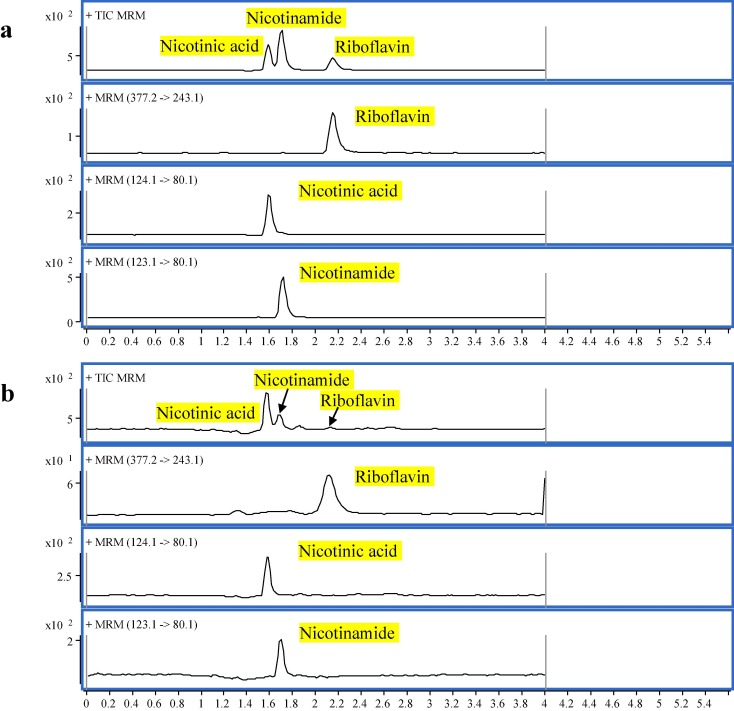
The present study assessed the nutritional composition of coffee silverskin (CSS) obtained from arabica roasted coffee. Following validated analytical methods, CSS resulted to be a high source of proteins (14.2 g/100 g) and dietary fibers (51.5 g/100 g). Moreover, the mineral analysis revealed high contents of calcium (1.1 g/100 g) and potassium (1.0 g/100 g). To date, this study provided the widest mineral profile of CSS with 30 minerals targeted including 23 microminerals with high levels of iron (238.0 mg/kg), manganese (46.7 mg/kg), copper (37.9 mg/kg), and zinc (31.9 mg/kg). Moreover, vitamins B2 (0.18–0.2 mg/kg) and B3 (2.5–3.1 mg/kg) were studied and reported for the first time in CSS. β-sitosterol (77.1 mg/kg), campesterol, stigmasterol, and Δ5-avenasterol, were also observed from the phytosterol analysis of CSS with a total level of 98.4 mg/kg. This rich nutritional profile highlights the potential values of CSS for innovative reuses in bioactive ingredients development.
Tuesday, 4 January 2022
Investigation and dynamic profiling of oligopeptides, free amino acids and derivatives during Pu-erh tea fermentation by ultra-high performance liquid chromatography tandem mass spectrometry
Monday, 3 January 2022
Starch-digesting product analysis based on the hydrophilic interaction liquid chromatography coupled mass spectrometry method to evaluate the inhibition of flavonoids on pancreatic α-amylase
Sunday, 2 January 2022
A new HPLC-MS/MS method for the simultaneous determination of 36 polyphenols in blueberry, strawberry and their commercial products and determination of antioxidant activity
Saturday, 1 January 2022
Active sites of peptides Asp-Asp-Asp-Tyr and Asp-Tyr-Asp-Asp protect against cellular oxidative stress
Tuesday, 28 December 2021
Molecular Recognition by Pillar[5]arenes: Evidence for Simultaneous Electrostatic and Hydrophobic Interactions
Thursday, 16 December 2021
Delineation of molecular interactions of plant growth promoting bacteria induced β-1,3-glucanases and guanosine triphosphate ligand for antifungal response in rice: a molecular dynamics approach
Mol Biol Rep 49, 2579–2589 (2022)
Saturday, 11 December 2021
Molecular characterization and genetic diversity studies of Indian soybean (Glycine max (L.) Merr.) cultivars using SSR markers
Molecular Biology Reports 49, 2129–2140 (2022)
Friday, 8 October 2021
Machine Learning Applied to the Oxygen-18 Isotopic Composition, Salinity and Temperature/Potential Temperature in the Mediterranean Sea
Monday, 13 September 2021
Production of a Potentially Probiotic Product for Animal Feed and Evaluation of Some of Its Probiotic Properties
Int. J. Mol. Sci. 2021, 22(18), 10004
Nowadays, probiotics have been proposed for substituting antibiotics in animal feed since the European Union banned the latter compounds in 2006 to avoid serious side effects on human health. Therefore, this work aimed to produce a probiotic product for use in animal feed by fed-batch fermentation of whey with a combination of kefir grains, AGK1, and the fermented whole milk used to activate these kefir grains. The probiotic culture obtained was characterized by high levels of biomass (8.03 g/L), total viability (3.6 × 10⁸ CFU/mL) and antibacterial activity (28.26 Activity Units/mL). Some probiotic properties of the probiotic culture were investigated in vitro, including its survival at low pH values, under simulated gastrointestinal conditions, after freezing in skim milk at −20 °C, and in the commercial feed during storage at room temperature. The viable cells of lactic and acetic acid bacteria and yeasts exhibited higher tolerance to acidic pH and simulated gastrointestinal conditions when the cells were protected with skim milk and piglet feed, compared with washed cells. The results indicated the feasibility of producing a probiotic product at a low cost with a potential application in animal feed.
Wednesday, 23 June 2021
Metal and metalloid profile as a fingerprint for traceability of wines under any Galician protected designation of origin
Journal of Food Composition and Analysis, 102, 104043, 2021
Wednesday, 21 April 2021
Modelling and Prediction of Monthly Global Irradiation Using Different Prediction Models
Saturday, 20 February 2021
Assessment of Glyphosate Impact on the Agrofood Ecosystem
Friday, 29 January 2021
Main Applications of Cyclodextrins in the Food Industry as the Compounds of Choice to Form Host–Guest Complexes
Int. J. Mol. Sci. 2021, 22(3), 1339
Cyclodextrins (CDs) are cyclic oligomers broadly used in food manufacturing as food additives for different purposes, e.g., to improve sensorial qualities, shelf life, and sequestration of components. In this review, the latest advancements of their applications along with the characteristics of the uses of the different CDs (α, β, γ and their derivatives) were reviewed. Their beneficial effects can be achieved by mixing small amounts of CDs with the target material to be stabilized. Essentially, they have the capacity to form stable inclusion complexes with sensitive lipophilic nutrients and constituents of flavor and taste. Their toxicity has been also studied, showing that CDs are innocuous in oral administration. A review of the current legislation was also carried out, showing a general trend towards a wider acceptance of CDs as food additives. Suitable and cost-effective procedures for the manufacture of CDs have progressed, and nowadays it is possible to obtain realistic prices and used them in foods. Therefore, CDs have a promising future due to consumer demand for healthy and functional products.
Thursday, 14 January 2021
Enhancing the saccharification of pretreated chestnut burrs to produce bacteriocins
Journal of Biotechnology, 329, 13-20
The present study aims to valorize chestnut burrs, an important lignocellulosic waste, through a biorefinery concept. A solid residue rich in glucan (41.36 ± 0.59 %) and lignin (39.06 ± 0.01 %) obtained from a previous process of pre-hydrolysis was subjected to four treatments with water or NaOH to enhance enzymatic hydrolysis. Saccharification was performed using different ratios of commercial cellulases and β-glucosidases and at controlled pH 4.8 or 6.0 (with citrate buffer) or uncontrolled pH. Carbohydrate-rich solutions with or without nutrients were used to produce bacteriocins by Lactobacillus plantarum CECT 211. The use of NaOH at high temperatures (120 and 130 °C) was the most suitable treatment to improve saccharification. Regarding the production of bacteriocins, the best result was obtained using the enzymatic solution obtained at controlled pH 6.0, supplemented with MRS broth nutrients (except glucose). Thus, the concentrations of bacteriocins obtained in this culture medium (9.21 BU/mL) was 1.22 and 1.98 times higher than those obtained in the nutrient supplemented medium buffered at pH 4.8 (7.56 BU/mL) and in the commercial MRS broth (4.65 BU/mL), respectively. These results highlight the feasibility of the technology developed in this work.
Friday, 1 January 2021
Essential Oils as Antimicrobials in Crop Protection
At present, organic crops have reached an important boom in a society increasingly interested in the conservation of the environment and sustainability. It is evident that a part of the population in the Western world focuses their concern on how to obtain our food and on doing it in a way that is as respectful as possible with the environment. In this review, we present a compilation of the work carried out with the use of essential oils as an alternative in the fight against different bacteria and fungi that attack crops and related products. Given the collected works, the efficacy of essential oils for their use as pesticides for agricultural use is evident.