Friday, 14 January 2022

Impact of chiral tebuconazole on the flavor components and color attributes of Merlot and Cabernet Sauvignon wines at the enantiomeric level

 Food Chem. 373, Part B, 131577, 2022


The impact of chiral tebuconazole on the flavor and appearance of Merlot and Cabernet Sauvignon wines were systematically studied. Gas chromatography-ion mobility spectrometry and headspace-solid phase microextraction coupled with gas chromatography mass spectrometry qualitatively and quantitatively identified the flavor components, and a photographic colorimeter was used for color attribute analysis. Tebuconazole enantiomers had different effects on the flavor and appearance of young wines, especially R-tebuconazole. The flavor differences were mainly manifested in fruity and floral characteristics of the wine due to changes in the concentrations of acids, alcohols, and esters; R-tebuconazole alters the concentrations of key flavor compounds to the greatest extent. Tebuconazole treatment changes the color of young wines, with the final red shade of wine being control group > rac-tebuconazole ≥ S-tebuconazole > R-tebuconazole. Since chiral tebuconazole negatively alters wine, grapes treated with chiral pesticides should be subject to stricter quality control during processing.


Thursday, 13 January 2022

Freezing characteristics and relative permittivity of rice flour gel in pulsed electric field assisted freezing

 Food Chem. 373, Part A, 131449, 2022


This study investigated the effect of pulsed electric field assisted freezing treatment on the freezing characteristics of rice flour gel under output voltages varying from 0 to 25 kV. The results indicated that by applying a pulsed electric field, the phase change time decreased. Scanning electron microscopy images indicated that pulsed electric field treatment led to the formation of rounder and smaller ice crystals. For further understanding and quantifying the interaction between rice flour gel and a pulsed electric field, the relative permittivity of rice flour gel with and without the addition of salt was measured between 100 and 3100 kHz and −20 and 20 °C. Relative permittivity increased with decreasing frequency or increasing temperature, and sharp variation was observed during the phase transition period. In addition, salt was proved to be an effective additive for increasing relative permittivity.


Wednesday, 12 January 2022

Cellular antioxidant potential and inhibition of foodborne pathogens by a sesquiterpene ilimaquinone in cold storaged ground chicken and under temperature-abuse condition

 Food Chem. 373, Part A, 131392, 2022


A sesquiterpene quinone, ilimaquinone, was accessed for its cellular antioxidant efficacy and possible antimicrobial mechanism of action against foodborne pathogens (Staphylococcus aureus and Escherichia coli) in vitro and in vivo. Ilimaquinone was found to be protective against H2O2-induced oxidative stress as validated by the reduction in the ROS levels, including increasing expression of SOD1 and SOD2 enzymes. Furthermore, ilimaquinone evoked MIC against S. aureus and E. coli within the range of 125–250 µg/mL. Ilimaquinone established its antimicrobial mode of action against both tested pathogens as evident by bacterial membrane depolarization, loss of nuclear genetic material, potassium ion, and release of extracellular ATP, as well as compromised membrane permeabilization and cellular component damage. Also, ilimaquinone showed no teratogenic effect against zebrafish, suggesting its nontoxic nature. Moreover, ilimaquinone significantly reduced the S. aureus count without affecting the sensory properties and color values of cold-storaged ground chicken meat even under temperature abuse condition.

Tuesday, 11 January 2022

Stability and antioxidant capacity of epigallocatechin gallate in Dulbecco's modified eagle medium

 Food Chem. 366, 130521, 2022


Though the instability of polyphenols in cell culture experiment has been investigated previously, the underlying mechanism is not completely clear yet. Therefore, in this study, the stability of epigallocatechin gallate (EGCG) in cell culture medium DMEM was investigated at 4 °C and 37 °C via UPLC-MS-MS analysis followed by determination of the antioxidant capacity of EGCG. EGCG was instable in DMEM and formed various degradation products derived from its dimer with increasing incubation time with many isomers being formed at both temperatures. The dimer products were more stable at 4 °C than at 37 °C. The structure and formation mechanism of five products were analyzed with four unidentified. Ascorbic acid significantly improved the stability of EGCG by protecting EGCG from auto-oxidation in DMEM, particularly at 4 °C. The antioxidative activity of EGCG in DMEM was determined by DPPH, ABTS and FRAP assay. The antioxidative properties of EGCG continuously decreased over 8 h in DMEM, which was consistent with its course of degradation.


Monday, 10 January 2022

Assessment of the Ecological Risk from Heavy Metals in the Surface Sediment of River Surma, Bangladesh: Coupled Approach of Monte Carlo Simulation and Multi-Component Statistical Analysis

 Water 2022, 14(2), 180


River sediment can be used to measure the pollution level in natural water, as it serves as one of the vital environmental indicators. This study aims to assess heavy metal pollution namely Copper (Cu), Iron (Fe), Manganese (Mn), Zinc (Zn), Nickel (Ni), Lead (Pb), and Cadmium (Cd) in Surma River. Further, it compares potential ecological risk index values using Hakanson Risk Index (RI) and Monte Carlo Simulation (MCS) approach to evaluate the environmental risks caused by these heavy metals. in the study area. With obtained results, enrichment of individual heavy metals in the study area was found in the order of Ni > Pb > Cd > Mn > Cu > Zn. Also, variance in MCS index contributed by studied metals was in the order of Cd > Pb > Ni > Zn > Cu. None of the heavy metals, except Ni, showed moderate contamination of the sediment. Risk index values from RI and MCS provide valuable insights in the contamination profile of the river, indicating the studied river is currently under low ecological risk for the studied heavy metals. This study can be utilized to assess the susceptibility of the river sediment to heavy metal pollution near an urban core, and to have a better understanding of the contamination profile of a river.

Sunday, 9 January 2022

Valorization of kiwi agricultural waste and industry by-products by recovering bioactive compounds and applications as food additives: A circular economy model

 Food Chem. 370, 131315, 2022


Currently, agricultural production generates large amounts of organic waste, both from the maintenance of farms and crops (agricultural wastes) and from the industrialization of the product (food industry waste). In the case of Actinidia cultivation, agricultural waste groups together leaves, flowers, stems and roots while food industry by-products are represented by discarded fruits, skin and seeds. All these matrices are now underexploited and so, they can be revalued as a natural source of ingredients to be applied in food, cosmetic or pharmaceutical industries. Kiwifruit composition (phenolic compounds, volatile compounds, vitamins, minerals, dietary fiber, etc.) is an outstanding basis, especially for its high content in vitamin C and phenolic compounds. These compounds possess antioxidant, anti-inflammatory or antimicrobial activities, among other beneficial properties for health, but stand out for their digestive enhancement and prebiotic role. Although the biological properties of kiwi fruit have been analyzed, few studies show the high content of compounds with biological functions present in these by-products. Therefore, agricultural and food industry wastes derived from processing kiwi are regarded as useful matrices for the development of innovative applications in the food (pectins, softeners, milk coagulants, and colorants), cosmetic (ecological pigments) and pharmaceutical industry (fortified, functional, nutraceutical, or prebiotic foods). This strategy will provide economic and environmental benefits, turning this industry into a sustainable and environmentally friendly production system, promoting a circular and sustainable economy.


Saturday, 8 January 2022

Weed pressure determines the chemical profile of wheat (Triticum aestivum L.) and its allelochemicals potential


 Pest Management Science, 78, 1605-1619, 2022


BACKGROUND

Common purslane (Portulaca oleracea) and annual ryegrass (Lolium rigidum) are important infesting weeds of field crops. Herbicides are mostly used for weed suppression, while their environmental toxicity and resistance in weeds against them demand considering alternative options, such as the use of allelopathic crops for weed management. Wheat is an important allelopathic crop and present research focused on the identification and quantification of benzoxazinoids (BXZs) and polyphenols (phenolic acids and flavonoids) of the wheat accession ‘Ursita’ and to screen its allelopathic impact on P. oleracea and Lolium rigidum through equal-compartment-agar (ECA) method.


RESULTS

Weed germination, radicle length, biomass and photosynthetic pigments were altered following co-growth of weeds with Ursita for 10-day. Root exudates from Ursita reduced (29–60%) the seedling growth and photosynthetic pigments of Lolium rigidum depending on co-culture conditions of planting density. Weed pressure caused significant increase in the production of phenolic acids (vanillic, ferulic, syringic and p-coumaric acids) and root exudation of BXZs, in particular benzoxazolin-2-one (BOA), 2-hydroxy-7-methoxy-1,4-benzoxazin-3-one (HMBOA), 2-hydroxy-1,4-benzoxazin3-one (HBOA) and 2,4-dihydroxy-1,4-benzoxazin-3-one (DIBOA) in wheat tissues (shoots, roots) and exudate in root rhizosphere agar medium in response to co-cultivation with Lolium rigidum and P. oleracea, depending on weed/crop density.


CONCLUSION

The work revealed that Ursita is allelopathic in nature and can be used in breeding programs to enhance its allelopathic activity. Meanwhile, there are opportunities to explore allelopathic effect of wheat cultivars to control P. oleracea and Lolium rigidum under field conditions. © 2022 The Authors. Pest Management Science published by John Wiley & Sons Ltd on behalf of Society of Chemical Industry.

Friday, 7 January 2022

Effects of Polyphenols on Oxidative Stress, Inflammation, and Interconnected Pathways during Spinal Cord Injury

 Oxidative Medicine and Cellular Longevity, 2022, 8100195


Despite the progression in targeting the complex pathophysiological mechanisms of neurodegenerative diseases (NDDs) and spinal cord injury (SCI), there is a lack of effective treatments. Moreover, conventional therapies suffer from associated side effects and low efficacy, raising the need for finding potential alternative therapies. In this regard, a comprehensive review was done regarding revealing the main neurological dysregulated pathways and providing alternative therapeutic agents following SCI. From the mechanistic point, oxidative stress and inflammatory pathways are major upstream orchestras of cross-linked dysregulated pathways (e.g., apoptosis, autophagy, and extrinsic mechanisms) following SCI. It urges the need for developing multitarget therapies against SCI complications. Polyphenols, as plant-derived secondary metabolites, have the potential of being introduced as alternative therapeutic agents to pave the way for treating SCI. Such secondary metabolites presented modulatory effects on neuronal oxidative stress, neuroinflammatory, and extrinsic axonal dysregulated pathways in the onset and progression of SCI. In the present review, the potential role of phenolic compounds as critical phytochemicals has also been revealed in regulating upstream dysregulated oxidative stress/inflammatory signaling mediators and extrinsic mechanisms of axonal regeneration after SCI in preclinical and clinical studies. Additionally, the coadministration of polyphenols and stem cells has shown a promising strategy for improving post-SCI complications.


Thursday, 6 January 2022

Benefits, toxicity and current market of cannabidiol in edibles

 Critical Reviews in Food Science and Nutrition


The commercialization of products with cannabidiol (CBD) has undergone a significant increase. These products can be presented in different forms such as baked goods, gummies or beverages (such as kombucha, beer or teas, among others) using wide concentrations ranges. The use of CBD in edibles favors its consumption, for medicinal users, during the work week, avoid its possible social stigma and facilitates its transport. These products can be purchased on store shelves and online. There is a large number of specialized studies, in which the possible advantages of CBD consumption are described in the preclinical and clinical trials. It is also necessary to recognize the existence of other works revealing that the excessive consumption of CBD could have some repercussions on health. In this review, it is analyzed the composition and properties of Cannabis sativa L., the health benefits of cannabinoids (focusing on CBD), its consumption, its possible toxicological effects, a brief exposition of the extraction process, and a collection of different products that contain CBD in its composition.

Wednesday, 5 January 2022

Coffee silverskin: Characterization of B-vitamins, macronutrients, minerals and phytosterols

 Food Chem. 372, 131188, 2022


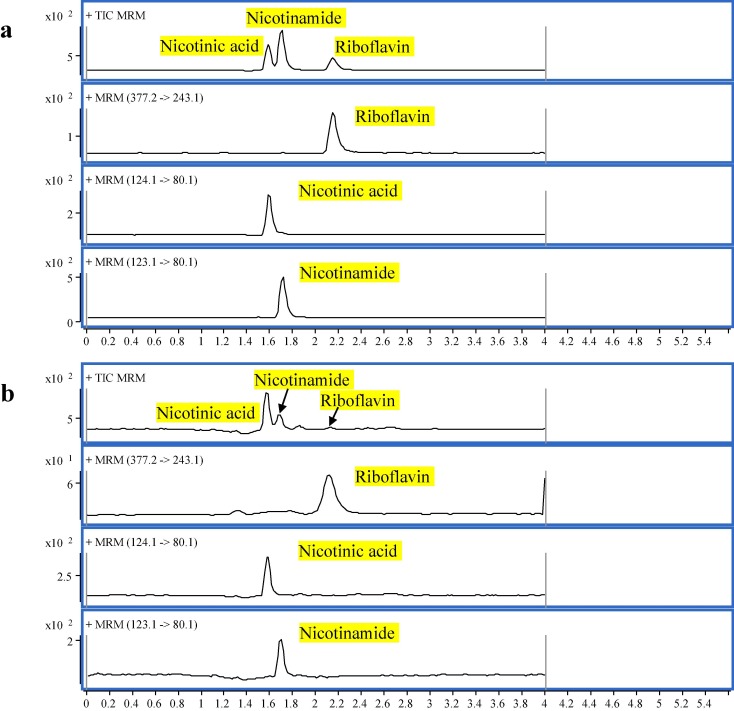
The present study assessed the nutritional composition of coffee silverskin (CSS) obtained from arabica roasted coffee. Following validated analytical methods, CSS resulted to be a high source of proteins (14.2 g/100 g) and dietary fibers (51.5 g/100 g). Moreover, the mineral analysis revealed high contents of calcium (1.1 g/100 g) and potassium (1.0 g/100 g). To date, this study provided the widest mineral profile of CSS with 30 minerals targeted including 23 microminerals with high levels of iron (238.0 mg/kg), manganese (46.7 mg/kg), copper (37.9 mg/kg), and zinc (31.9 mg/kg). Moreover, vitamins B2 (0.18–0.2 mg/kg) and B3 (2.5–3.1 mg/kg) were studied and reported for the first time in CSS. β-sitosterol (77.1 mg/kg), campesterol, stigmasterol, and Δ5-avenasterol, were also observed from the phytosterol analysis of CSS with a total level of 98.4 mg/kg. This rich nutritional profile highlights the potential values of CSS for innovative reuses in bioactive ingredients development.

Tuesday, 4 January 2022

Investigation and dynamic profiling of oligopeptides, free amino acids and derivatives during Pu-erh tea fermentation by ultra-high performance liquid chromatography tandem mass spectrometry

 Food Chem. 371, 131176, 2022


Microbial fermentation is the critical step of Pu-erh tea manufacture, which will induce dramatic changes in the chemical composition and content of tea. In this research, we applied multi-methods based on UHPLC-Q-TOF/MS to profile the dynamic changes of oligopeptides, free amino acids, and derivatives (OPADs) during Pu-erh fermentation and predicted the potential bioactivities in silico. A total of 60 oligopeptides, 18 free amino acids, and 42 amino acid derivatives were identified, and the contents of most of them decreased after fermentation. But several N-acetyl amino acids increased 7–36 times after fermentation, and they might be the potential inhibitors of neurokinin-1 receptor. Moreover, the results of metamicrobiology showed Aspergillus niger and Aspergillus luchuensis were more prominent to metabolize protein, oligopeptides, and amino acids. Overall, these findings provide valuable insights about dynamic variations of OPADs during Pu-erh tea fermentation and are beneficial for guiding practical fermentation and quality control of Pu-erh tea.


Monday, 3 January 2022

Starch-digesting product analysis based on the hydrophilic interaction liquid chromatography coupled mass spectrometry method to evaluate the inhibition of flavonoids on pancreatic α-amylase

 Food Chem. 372, 131175, 2022


An accurate hydrophilic interaction liquid chromatography coupled mass spectrometry (HILIC-MS) method is presented to characterize starch digestion by α-amylase and measure the inhibition properties of flavonoids against α-amylase in vitro. Eleven products were found as 1 → 4 linkage glucose oligosaccharides with different degrees of polymerization (DPs) from 2 to 12. The products with DPs of 2, 3, 6, 7, and 9 had higher yields. The product with DP of 9 had the highest yields, which first increased and then decreased with the reaction time. Pelargonidin has the best inhibition activity on all enzyme products. The 3′-hydroxyl of B-ring enhanced the inhibition activity of flavonol and flavone but weakened that of anthocyanin. The C-ring 3-hydroxyl increased the inhibition effect of flavonol on maltose but decreased that on the products with higher DPs than flavone. The HILIC-MS method can provide more detailed information on enzyme products for the study of flavonoids inhibiting α-amylase.


Sunday, 2 January 2022

A new HPLC-MS/MS method for the simultaneous determination of 36 polyphenols in blueberry, strawberry and their commercial products and determination of antioxidant activity

 Food Chem. 367, 130743, 2022


Berry fruits consumption has increased in recent years because they are rich sources of polyphenols with reported health benefits. The aim of the present work was to develop a new comprehensive and fast HPLC-MS/MS method for simultaneous determination of 36 phenolic compounds (7 anthocyanins, 9 flavonols, 4 flavan-3-ols, 2 dihydrochalcones, 2 flavanones and 12 phenolic acids) present in blueberry, strawberry, and their fruit jam. Blueberry fruits showed higher contents of anthocyanins, flavonols and phenolic acids, while strawberry fruits exhibited higher contents of flavan-3-ols, dihydrochalcones and flavanones. Anthocyanins were the main phenolic constituents in both berries. Furthermore, the higher total phenolic content in the blueberry fruit and jam justified their greater antioxidant capacity measured by DPPH free radical assay, compared to strawberry. In conclusion, this new HPLC-MS/MS method is useful and reliable for quality control and authentication analyses of blueberry and strawberry fruits and their commercial food products, such as jams.


Saturday, 1 January 2022

Active sites of peptides Asp-Asp-Asp-Tyr and Asp-Tyr-Asp-Asp protect against cellular oxidative stress

 Food Chem. 366, 130626, 2022


The protective effects of the peptides Asp-Asp-Asp-Tyr (DDDY) and Asp-Tyr-Asp-Asp (DYDD) against AAPH-induced HepG2 cells are unclear. Our objective was to investigate the active sites of these peptides and their cellular antioxidant mechanism. DDDY and DYDD show a direct free radical scavenging effect in reducing ROS levels and maintained cellular antioxidant enzymes at normal levels. The quantum chemistry analysis of the electronic properties of antioxidant activity showed that DYDD has a greater energy in the highest occupied molecular orbital than DDDY, and O58-H59 and N10-H12 were identified as the active antioxidant sites in DYDD and DDDY, respectively, indicating that the inconsistent arrangement of amino acids affects the distribution of the highest occupied orbital energy as well as the active sites; thus, influences the antioxidant activity of peptides. It provide valuable insights into the antioxidant active sites of peptides.


Tuesday, 28 December 2021

Molecular Recognition by Pillar[5]arenes: Evidence for Simultaneous Electrostatic and Hydrophobic Interactions

 Pharmaceutics 2022, 14(1), 60


The formation of inclusion complexes between alkylsulfonate guests and a cationic pillar[5]arene receptor in water was investigated by NMR and ITC techniques. The results show the formation of host-guest complexes stabilized by electrostatic interactions and hydrophobic effects with binding constants for the guest with higher hydrophobic character. Structurally, the alkyl chain of the guest is included in the hydrophobic aromatic cavity of the macrocycle while the sulfonate groups are held in the multicationic portal by ionic interactions.


Thursday, 16 December 2021

Delineation of molecular interactions of plant growth promoting bacteria induced β-1,3-glucanases and guanosine triphosphate ligand for antifungal response in rice: a molecular dynamics approach

Mol Biol Rep 49, 2579–2589 (2022)


Background
The plant growth is influenced by multiple interactions with biotic (microbial) and abiotic components in their surroundings. These microbial interactions have both positive and negative effects on plant. Plant growth promoting bacterial (PGPR) interaction could result in positive growth under normal as well as in stress conditions.

Methods
Here, we have screened two PGPR’s and determined their potential in induction of specific gene in host plant to overcome the adverse effect of biotic stress caused by Magnaporthe grisea, a fungal pathogen that cause blast in rice. We demonstrated the glucanase protein mode of action by performing comparative modeling and molecular docking of guanosine triphosphate (GTP) ligand with the protein. Besides, molecular dynamic simulations have been performed to understand the behavior of the glucanase-GTP complex.

Results
The results clearly showed that selected PGPR was better able to induce modification in host plant at morphological, biochemical, physiological and molecular level by activating the expression of β-1,3-glucanases gene in infected host plant. The docking results indicated that Tyr75, Arg256, Gly258, and Ser223 of glucanase formed four crucial hydrogen bonds with the GTP, while, only Val220 found to form hydrophobic contact with ligand.

Conclusions
The PGPR able to induce β-1,3-glucanases gene in host plant upon pathogenic interaction and β-1,3-glucanases form complex with GTP by hydrophilic interaction for induction of defense cascade for acquiring resistance against Magnaporthe grisea.


Saturday, 11 December 2021

Molecular characterization and genetic diversity studies of Indian soybean (Glycine max (L.) Merr.) cultivars using SSR markers

 Molecular Biology Reports 49, 2129–2140 (2022)


Background
The genetic base of soybean cultivars in India has been reported to be extremely narrow, due to repeated use of few selected and elite genotypes as parents in the breeding programmes. This ultimately led to the reduction of genetic variability among existing soybean cultivars and stagnation in crop yield. Thus in order to enhance production and productivity of soybean, broadening of genetic base and exploring untapped valuable genetic diversity has become quite indispensable. This could be successfully accomplished through molecular characterization of soybean genotypes using various DNA based markers. Hence, an attempt was made to study the molecular divergence and relatedness among 29 genotypes of soybean using SSR markers.

Methods and results
A total of 35 SSR primers were deployed to study the genetic divergence among 29 genotypes of soybean. Among them, 14 primer pairs were found to be polymorphic producing a total of 34 polymorphic alleles; and the allele number for each locus ranged from two to four with an average of 2.43 alleles per primer pair. Polymorphic information content (PIC) values of SSRs ranged from 0.064 to 0.689 with an average of 0.331. The dendrogram constructed based on dissimilarity indices clustered the 29 genotypes into two major groups and four sub-groups. Similarly, principal coordinate analysis grouped the genotypes into four major groups that exactly corresponded to the clustering of genotypes among four sub-groups of dendrogram. Besides, the study has reported eight unique and two rare alleles that could be potentially utilized for genetic purity analysis and cultivar identification in soybean.

Conclusion
In the present investigation, two major clusters were reported and grouping of large number of genotypes in each cluster indicated high degree of genetic resemblance and narrow genetic base among the genotypes used in the study. With respect to the primers used in the study, the values of PIC and other related parameters revealed that the selected SSR markers are moderately informative and could be potentially utilized for diversity analysis of soybean. The clustering pattern of dendrogram constructed based on SSR loci profile displayed good agreement with the cultivar’s pedigree information. High level of genetic similarity observed among the genotypes from the present study necessitates the inclusion of wild relatives, land races and traditional cultivars in future soybean breeding programmes to widen the crop gene pool. Thus, hybridization among diverse gene pool could result in more heterotic combinations ultimately enhancing genetic gain, crop yield and resistance to various stress factors.


Friday, 8 October 2021

Machine Learning Applied to the Oxygen-18 Isotopic Composition, Salinity and Temperature/Potential Temperature in the Mediterranean Sea

 Mathematics 2021, 9(19), 2523


This study proposed different techniques to estimate the isotope composition (δ18O), salinity and temperature/potential temperature in the Mediterranean Sea using five different variables: (i–ii) geographic coordinates (Longitude, Latitude), (iii) year, (iv) month and (v) depth. Three kinds of models based on artificial neural network (ANN), random forest (RF) and support vector machine (SVM) were developed. According to the results, the random forest models presents the best prediction accuracy for the querying phase and can be used to predict the isotope composition (mean absolute percentage error (MAPE) around 4.98%), salinity (MAPE below 0.20%) and temperature (MAPE around 2.44%). These models could be useful for research works that require the use of past data for these variables.


Monday, 13 September 2021

Production of a Potentially Probiotic Product for Animal Feed and Evaluation of Some of Its Probiotic Properties

 Int. J. Mol. Sci. 2021, 22(18), 10004


Nowadays, probiotics have been proposed for substituting antibiotics in animal feed since the European Union banned the latter compounds in 2006 to avoid serious side effects on human health. Therefore, this work aimed to produce a probiotic product for use in animal feed by fed-batch fermentation of whey with a combination of kefir grains, AGK1, and the fermented whole milk used to activate these kefir grains. The probiotic culture obtained was characterized by high levels of biomass (8.03 g/L), total viability (3.6 × 10⁸ CFU/mL) and antibacterial activity (28.26 Activity Units/mL). Some probiotic properties of the probiotic culture were investigated in vitro, including its survival at low pH values, under simulated gastrointestinal conditions, after freezing in skim milk at −20 °C, and in the commercial feed during storage at room temperature. The viable cells of lactic and acetic acid bacteria and yeasts exhibited higher tolerance to acidic pH and simulated gastrointestinal conditions when the cells were protected with skim milk and piglet feed, compared with washed cells. The results indicated the feasibility of producing a probiotic product at a low cost with a potential application in animal feed.

Wednesday, 23 June 2021

Metal and metalloid profile as a fingerprint for traceability of wines under any Galician protected designation of origin

 Journal of Food Composition and Analysis, 102, 104043, 2021


Effective and cheap methods for detecting fraud and, guaranteeing wine authenticity, are of paramount importance in the sector. In this sense, three different kinds of prediction models (random forest, artificial neural networks, and support vector machines) were developed to classify wines, according to their element contents (metals and metalloids, obtained using an inductively coupled plasma with a quadrupole mass spectrometer, and an optic emission spectrophotometer). One models were developed using 45 inputs variables, and then the models were subjected to a process of reducing variables to simplify models and save material and time costs. A total accuracy was reached in all phases for the white wines-random forest models. From a practical point of view, the accuracy and the errors obtained by the selected models (except for red wines-artificial neural network developed using reduced variables) are acceptable. The models developed with fewer variables, can make the prediction task easier.