Wednesday, 8 March 2023

Effects of blackberry polysaccharide on the quality improvement of boiled chicken breast

 Food Chemistry: X (2023) 18, 100623


Blackberry polysaccharide was isolated from blackberry powder with 70% ethanol. The crude polysaccharide was composed of 95.44% glucose, 2.01% arabinose, 1.81% galactose and 0.74% glucuronic acid. Chicken breast meat was only marinated with different concentrations of the isolated blackberry polysaccharide (1 g/kg, 3 g/kg) for 24 h at a ratio of material to liquid of 1:3, and boiled at 80℃ for 1 h. The differences in texture, water distribution and volatile flavor components among different groups (adding 0,1,3 g/kg blackberry polysaccharide) were investigated. The results showed that the addition of blackberry polysaccharide could significantly improve the hardness of chicken breast, the transformation of free water to bound water, the overall flavor characteristics of the control group and the addition of different concentrations of blackberry polysaccharide were significantly different, and the concentration of volatile flavor substances in boiled chicken breast was reduced.


2nd European Symposium on Phytochemicals in Medicine and Food

 June 27 – July 2, 2023, Vigo, Spain

On behalf of the Organizing Committee, we are delighted to invite you to attend the 2nd European Symposium on Phytochemicals in Medicine and Food, June 27 – July 2, 2023, Vigo, Spain (2-EuSPMF). 2-EuSPMF is organized by the International Association of Dietetic Nutrition and Safety (IADNS) and the University of Vigo. 2-EuSPMF aims to explore the recent advances in the area of phytochemicals in medicine and food. We hope to bring together scientists of all ages to provide an excellent platform for exchanging ideas, discussing challenges, sharing success stories and setting up new research collaborations. Your active participation will certainly make 2-EuSPMF symposium a great success. 

Vigo is an often forgotten coastal city in the north of Spain. Besides its walkable cultural centre, this city benefits from its proximity to the beach, such as Playa del Vao and Playa de Samil. Vigo is also the main getaway to the heavenly Illas Cíes, the remote islands you can only access by boat. The Old Town, also known as Casco Vello, is the city’s heart, packed with lively bars and restaurants serving delicious Galician dishes. Vigo is only 30km from Portugal, allowing you to enjoy day trips across both countries. 

 Welcome to beautiful Vigo!    

Call for papers

Registration informations

Tuesday, 7 March 2023

Toxins 2022 Young Investigator Award


The scientist Paz Otero Fuertes, from the Agricultural and Food Research Group of the University of Vigo, has just been distinguished by Toxins magazine as the best young researcher of the year 2022. This award, the Toxins 2022 Young Investigator Award, is given each year to a scientist or junior scientist in recognition of her excellence in the field of toxinology, the branch of toxicology that studies biological toxins, that is, produced by animals, plants or microorganisms.

The jury values that the candidates have developed innovative research and made an important contribution to the advancement of toxinology and knowledge about all types of toxins and, in the case of Paz Otero, they emphasize that he has participated in multiple research projects and published 56 scientific articles, from which 20 are as first author or corresponding author; ten book chapters, four of them as main author; ten conference proceedings, as well as having a Hirsch index of 27.

This award is a recognition of his entire professional career, developed first at the University of Santiago de Compostela, then at the Limerick Institute of Technology and the Autonomous University of Madrid and, finally, at UVigo. His work focuses on the field of food safety, toxinology, pharmacology, marine bioactive compounds, microalgae, purification or phycotoxins, cyanotoxins and mycotoxins. Although this is the first distinction she has received since she arrived at the University of Vigo, she was previously the recipient, during her stay in Ireland, of an award from the Irish Research Council.

At UVigo since 2020

Paz Otero has been, since December 2020, a researcher in the Department of Analytical and Food Chemistry, specifically in the Agricultural and Food Research Group (AA1), where they are managing "a new laboratory to be able to continue growing as a research group and being able to develop new projects and lines of research", as the scientist reports.

Before his arrival at UVigo, Otero worked on two European projects of the Espazo Atlántico Program focused on discovering new marine compounds on the Atlantic coast (Pharmatlantic 2009-1/117 and Atlantox 2008-1/), both at the University of Santiago de Compostela. In addition, she was selected by the Irish Research Council (IRC) with the project Dettox: Production, extraction, and detection systems for new marine phycotoxins in Europe, of which she was the main researcher, focused on the detection of marine toxins.

He is currently working on the development of a sustainable and profitable production process for the recycling of by-products of olives, grapes and almonds into four natural and healthy ingredients for nutraceutical and cosmetic applications, in the context of the "ambitious" European project UP4Health. This initiative is driven by a consortium of ten European institutions, in which, in addition to UVigo, Isanatur (coordinator), Contactica, Laboratorios Amerex, Aurora Intelligent Nutrition and Indukern, from Spain, participate; Zade Vital, from Turkey; Biozoon, from Germany; the Polytechnic Institute of Bragança, from Portugal, and the Technological University Dublin, from Ireland. As the researcher explains, "the by-products generated as a result of the processing of these foods are a valuable source of bioactive compounds and have demonstrated interesting antioxidant, anti-inflammatory and antimicrobial properties". These four ingredients that researchers look for in these products are natural polyphenol-rich aqueous fruit extract, polyphenol-enriched dietary fiber, natural fruit oil extracts, and oligosaccharides.

Impact of climate change on food security

Paz Otero values the reception of this award as "something very positive to give visibility in society to the impact of natural toxins" and, in general, to put the focus "on the research that is carried out in the area of toxinology", since from his point of view in view "there is a lack of knowledge about mycotoxins, biotoxins and how they reach seafood and crops and their impact on health". In this sense, Otero points out that climate change is expected to "affect the safety of food and feed, including the appearance of new emerging natural toxins", so this is precisely "a 'trending topic' in the area of nutrition and technology of food”.

Receiving this award means for the UVigo researcher a cash prize of 2000 Swiss francs as well as the publication of a work in the journal Toxins after peer review before the end of December 2023 and an electronic certificate.

Apigenin alleviates diabetic endothelial dysfunction through activating AMPK/PI3K/Akt/eNOS and Nrf2/HO-1 signaling pathways

 Food Frontiers, 4(1) 420-431 (2023)


Apigenin (4′,5,7-trihydroxyflavone) is a natural flavone reported to present anti-diabetic and anti-oxidative bioactivities. The effect of apigenin to mitigate endothelial dysfunction in diabetes remains to be investigated. In the present study, the vaso-protective effect of apigenin as well as its underlying action mechanisms was investigated using in vitro- and in vivo-based assays. Aortas were detached from C57BL/6J mice for ex vivo treatment, and primary rat aortic endothelial cells (RAECs) were cultured and further stimulated using high glucose (HG) with or without apigenin. In-vivo diabetic model was established by feeding male C57BL/6J mice with a high-fat diet (60% kcal% fat) for a total of 14 weeks, whereas the treatment group was orally administered apigenin (25 mg/kg/day) during the last 4 weeks. Exposure to HG (30 mM, 48 h) impaired acetylcholine-induced endothelium-dependent relaxation (EDR) in mouse aortas and induced oxidative stress with the downregulation of adenosine 5'-monophosphate (AMP)-activated protein kinase (AMPK)/phosphatidyl inositol 3-kinase (PI3K)/protein kinase B (Akt)/endothelial nitric oxide synthase (eNOS) and nuclear factor erythroid 2-related factor 2 (Nrf2)/heme oxygenase 1 (HO-1) signaling pathways in aortas and RAECs. These impairments were reversed by apigenin treatments. However, the vaso-protective effects of apigenin were abolished by Compound C (AMPK inhibitor) and wortmannin (PI3K inhibitor). Chronic oral administration with apigenin ameliorated EDR and reduced oxidative stress in the aortas of high-fat diet (HFD)-induced obese and diabetic mice. In conclusion, this study revealed that apigenin improved endothelial function and suppressed oxidative stress in the vasculature in diabetes through the activation of AMPK/PI3K/Akt/eNOS and Nrf2/HO-1 pathways, suggesting its therapeutic potential as a natural dietary flavonoid against vascular diseases associated with diabetes.


Monday, 6 March 2023

Single-Cell Transcriptomics Reveals the Difference of Aortic Atherosclerosis Response to Phytosterols and Oxidation Products of Sterols

 Mol. Nut. Food Res. 2023, 2200811


Scope
Phytosterols (PS) and sterol oxidation products are key dietary factors influencing atherosclerosis besides cholesterol, although the mechanisms remain elusive. Recently, single-cell RNA sequencing (scRNA-seq) has revealed the heterogeneity of multiple cell types associated with complex pathogenesis in atherosclerosis development.

Methods and results
Here, we performed scRNA-seq to investigate the alterations in the aortic cells from ApoE−/− mice induced by diet-derived PS or two sterol oxidation products, phytosterols oxidation products (POPs) and cholesterol oxidation products (COPs). We identified four fibroblast subpopulations with different functions, and immunofluorescence demonstrated their spatial heterogeneity, providing evidence that suggested the transformation of smooth muscle cells (SMCs) and fibroblasts in atherosclerosis. The composition and gene expression profiles of aortic cells changed broadly in response to PS/COPs/POPs exposure. Notably, PS exhibited an atheroprotective effect where different gene expressions were mainly found in B cells. Exposure to COPs accelerated atherosclerosis and resulted in marked alternations in myofibroblast subpopulations and T cells, while POPs only altered fibroblast subpopulations and B cells.

Conclusion
Our data elucidates the effects of dietary PS/COPs/POPs on aortic cells during atherosclerosis development, especially on the newly identified fibroblast subpopulations.


Sunday, 5 March 2023

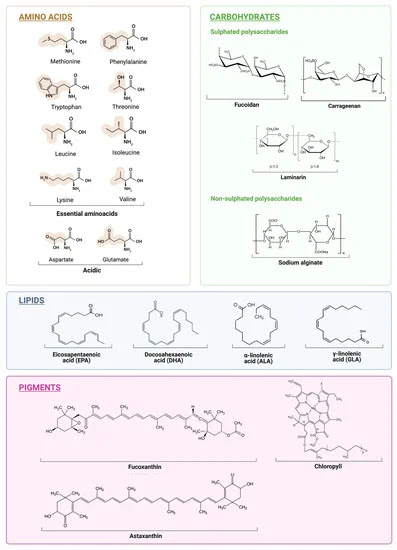
Pressurized Liquid Extraction for the Recovery of Bioactive Compounds from Seaweeds for Food Industry Application: A Review

Antioxidants 2023, 12(3), 612


Seaweeds are an underutilized food in the Western world, but they are widely consumed in Asia, with China being the world’s larger producer. Seaweeds have gained attention in the food industry in recent years because of their composition, which includes polysaccharides, lipids, proteins, dietary fiber, and various bioactive compounds such as vitamins, essential minerals, phenolic compounds, and pigments. Extraction techniques, ranging from more traditional techniques such as maceration to novel technologies, are required to obtain these components. Pressurized liquid extraction (PLE) is a green technique that uses high temperatures and pressure applied in conjunction with a solvent to extract components from a solid matrix. To improve the efficiency of this technique, different parameters such as the solvent, temperature, pressure, extraction time and number of cycles should be carefully optimized. It is important to note that PLE conditions allow for the extraction of target analytes in a short-time period while using less solvent and maintaining a high yield. Moreover, the combination of PLE with other techniques has been already applied to extract compounds from different matrices, including seaweeds. In this way, the combination of PLE-SFE-CO2 seems to be the best option considering both the higher yields obtained and the economic feasibility of a scaling-up approximation. In addition, the food industry is interested in incorporating the compounds extracted from edible seaweeds into food packaging (including edible coating, bioplastics and bio-nanocomposites incorporated into bioplastics), food products and animal feed to improve their nutritional profile and technological properties. This review attempts to compile and analyze the current data available regarding the application of PLE in seaweeds to determine the use of this extraction technique as a method to obtain active compounds of interest for food industry application.


Saturday, 4 March 2023

Current trends in natural products for the treatment and management of dementia: Computational to clinical studies

 Neuroscience & Biobehavioral Reviews, 147, 105106 (2023)


The number of preclinical and clinical studies evaluating natural products-based management of dementia has gradually increased, with an exponential rise in 2020 and 2021. Keeping this in mind, we examined current trends from 2016 to 2021 in order to assess the growth potential of natural products in the treatment of dementia. Publicly available literature was collected from various databases like PubMed and Google Scholar. Oxidative stress-related targets, NF-κB pathway, anti-tau aggregation, anti-AChE, and A-β aggregation were found to be common targets and pathways. A retrospective analysis of 33 antidementia natural compounds identified 125 sustainable resources distributed among 65 families, 39 orders, and 7 classes. We found that families such as Berberidaceae, Zingiberaceae, and Fabaceae, as well as orders such as Lamiales, Sapindales, and Myrtales, appear to be important and should be researched further for antidementia compounds. Moreover, some natural products, such as quercetin, curcumin, icariside II, berberine, and resveratrol, have a wide range of applications. Clinical studies and patents support the importance of dietary supplements and natural products, which we will also discuss. Finally, we conclude with the broad scope, future challenges, and opportunities for field researchers.


Friday, 3 March 2023

Current trends in natural products for the treatment and management of dementia: Computational to clinical studies

 Neurosci. Biobehav. Rev. 147, 105106 (2023)


The number of preclinical and clinical studies evaluating natural products-based management of dementia has gradually increased, with an exponential rise in 2020 and 2021. Keeping this in mind, we examined current trends from 2016 to 2021 in order to assess the growth potential of natural products in the treatment of dementia. Publicly available literature was collected from various databases like PubMed and Google Scholar. Oxidative stress-related targets, NF-κB pathway, anti-tau aggregation, anti-AChE, and A-β aggregation were found to be common targets and pathways. A retrospective analysis of 33 antidementia natural compounds identified 125 sustainable resources distributed among 65 families, 39 orders, and 7 classes. We found that families such as Berberidaceae, Zingiberaceae, and Fabaceae, as well as orders such as Lamiales, Sapindales, and Myrtales, appear to be important and should be researched further for antidementia compounds. Moreover, some natural products, such as quercetin, curcumin, icariside II, berberine, and resveratrol, have a wide range of applications. Clinical studies and patents support the importance of dietary supplements and natural products, which we will also discuss. Finally, we conclude with the broad scope, future challenges, and opportunities for field researchers.


Thursday, 2 March 2023

Ice cream supplemented with roasted and grilled corn powders: Physical properties, rheology, antioxidant activity, color, sensory evaluation, and production cost

 Int. J. Gastron. Food Sci. 32, 100696 (2023)


The present study aimed to evaluate the effects of replacing milk fat with roasted and grilled corn powders on ice cream characteristics. The results revealed that the use of roasted and grilled corn powders (2, 4, and 6%) resulted in significant changes in the physical and rheological properties of ice cream mixtures. The different levels of corn powders caused an increase in the total phenolic compounds and antioxidant activity, while a diverse manner was observed with the progress in storage period. Furthermore, the melting resistance of ice cream treatments significantly increased coinciding with the increase in roasted or grilled corn powders addition levels. In addition, roasted corn powder based-ice cream treatments recorded higher sensory evaluation scores compared to other treatments. The production cost and profit of the produced ice cream were also evaluated, and treatments supplemented with corn powders exhibited lower production cost as compared to the control sample.

Wednesday, 1 March 2023

Bioactive compounds, health benefits, and industrial applications of Tartary buckwheat (Fagopyrum tataricum)

 Critical Reviews in Food Science and Nutrition, 63(5), 657-673 (2023)


Tartary buckwheat belongs to the family Polygonaceae, which is a traditionally edible and medicinal plant. Due to its various bioactive compounds, the consumption of Tartary buckwheat is correlated to a wide range of health benefits, and increasing attention has been paid to its potential as a functional food. This review summarizes the main bioactive compounds and important bioactivities and health benefits of Tartary buckwheat, emphasizing its protective effects on metabolic diseases and relevant molecular mechanisms. Tartary buckwheat contains a wide range of bioactive compounds, such as flavonoids, phenolic acids, triterpenoids, phenylpropanoid glycosides, bioactive polysaccharides, and bioactive proteins and peptides, as well as D-chiro-inositol and its derivatives. Consumption of Tartary buckwheat and Tartary buckwheat-enriched products is linked to multiple health benefits, e.g., antioxidant, anti-inflammatory, antihyperlipidemic, anticancer, antidiabetic, antiobesity, antihypertensive, and hepatoprotective activities. Especially, clinical studies indicate that Tartary buckwheat exhibits remarkable antidiabetic activities. Various tartary buckwheat -based foods presenting major health benefits as fat and blood glucose-lowering agents have been commercialized. Additionally, to address the safety concerns, i.e., allergic reactions, heavy metal and mycotoxin contaminations, the quality control standards for Tartary buckwheat and its products should be drafted and completed in the future.


Tuesday, 28 February 2023

Chinese yam (Dioscorea): Nutritional value, beneficial effects, and food and pharmaceutical applications

Trends Food Sci. Technol. 134, 29-40 (2023)


Background
Currently, balanced diet and healthy foods are attracting increasing attention due to their great health-beneficial effects. The tuber of Dioscorea (yam) is both edible and medicinal, as it contains various functional compounds with multiple pharmacological activities and disease targets. Moreover, yam tuber can serve as a vegetable or staple food due to its high starch content. Therefore, exploring the functional activities of yam tuber and its application in food and medicine industries is significant.

Scope and approach
This review comprehensively summarizes the characteristics and application of yam tuber, as well as the findings about its primary nutrients, distinct functional components, extraction technologies, detection methods and biological activities, and provides some new prospects for further investigation. Besides, the development and comprehensive utilization of yam tuber products are elucidated. Finally, some future research directions for better utilization of yam tubers are suggested.

Key findings and conclusions
The Dioscorea genus is distributed worldwide with a wide variety of species. Yam tuber is rich in nutrients and bioactive compounds, such as starch, protein, non-starch polysaccharides, steroid saponin, allantoin, and phenolic compounds. The most important health benefits include antioxidant activity, anti-inflammatory activity, gastrointestinal protection, gut microbiota regulation, cardiac diseases treatment, hypoglycemic activity, anti-tumor activity, and estrogen-like effect. We also summarize the applications of yam tuber in foods and medicine. Finally, the review indicates that better utilization of yam tuber is hindered by poor variety protection, limited research on its pharmacological activities, browning phenomenon, and some safety concerns.


Monday, 27 February 2023

Green preparation of bract extract (Musa acuminate) doped magnesium oxide nanoparticles and their bioefficacy

App. Org. Chem. 37 (5), e7063 (2023)


Magnesium oxide nanoparticles (MgONPs) synthesized by efficient green approach have unique physiochemical properties. In this study, MgONPs are synthesized with bract extract of Musa acuminate, an agro waste. The surface plasmon resonance at 450 nm in UV spectrum and FTIR peaks at 601 and 890 cm−1 confirmed the presence of MgONPs. XRD pattern revealed high crystallinity of the nanoparticles with an intense orientation peak at 111, and the size was 13 nm. The particles were spherical with an average size of 24.85 nm. The elemental percentage of magnesium and oxygen were 68.55% and 31.45%. MgONPs had antibacterial activity against Bacillus subtilis, Escherichia coli, Vibrio harveyi, Vibrio parahemolyticus, and Staphylococcus aureus with MIC, 6 μg/mL. The IC50 value for MCF-7 cell was 113.56 μg/mL, and the normal cell line was 785.69 μg/mL. The NPs also exhibited hemolytic features in a dose-dependent manner. The MgONPs exhibited photocatalytic degradation of methyl violet, CBB G-250, and malachite green in 60 min duration. MgONPs had promising antibacterial, cytotoxic, hemolytic, photocatalytic, and seed germination activity. They have the potential to serve as an additive in a variety of biological applications.


Sunday, 26 February 2023

Bioactive Compounds of Verbascum sinuatum L.: Health Benefits and Potential as New Ingredients for Industrial Applications

Biomolecules 2023, 13(3), 427


Verbascum sinuatum (V. sinuatum) is a plant belonging to the Scrophulariaceae family that has been used as an ingredient in traditional medicine infusions for the treatment of many diseases. The aerial part of this plant is a source of bioactive compounds, especially polyphenols and iridoids. Moreover, antioxidant activity studies have shown that V. sinuatum phenolic and flavonoid composition is higher than those in other plants of the same genus. V. sinuatum bioactive compound composition could vary according to the harvesting location, growing conditions of the plants, sample preparation methods, type and concentration of the extraction solvent, and the extraction methods. The obtention of these compounds can be achieved by different extraction techniques, most commonly, maceration, heat assisted extraction, and infusion. Nevertheless, since conventional extraction techniques have several drawbacks such as long times of extraction or use of large amounts of solvents, the use of green extraction techniques is suggested, without affecting the efficiency of the extraction. Moreover, V. sinuatum bioactive compounds have several biological activities, such as antioxidant, anticancer, cardiovascular, antimicrobial, antidiabetic, and neuroprotective activities, that may be increased by encapsulation. Since the bioactive compounds extracted from V. sinuatum present good potential as functional food ingredients and in the development of drugs or cosmetics, this review gives an approach of the possible incorporation of these compounds in the food and pharmacological industries.


Saturday, 25 February 2023

A visual bi-layer sensor based on Agar/TiO2/butterfly bean flower anthocyanin/κ-carrageenan with photostability for monitoring Penaeus chinensis freshness

 Int. J. Biol. Macromol. 235, 123706 (2023)


Visual indicator bi-layer films were manufactured incorporating κ-carrageenan, butterfly pea flower anthocyanin, varying Nano‑titanium dioxide (TiO2) content and agar for Penaeus chinensis (Chinese white shrimp) freshness detection. The κ-carrageenan-anthocyanin (CA) layer served as indicator, while the TiO2-agar (TA) layer functioned as the protective layer to improve the photostability of film. The bi-layer structure was characterized by scanning electron microscopy (SEM). The TA2-CA film had the best tensile strength with a value of 17.8 MPa and the lowest water vapor permeability (WVP) value of bi-layer films was 2.98 × 10⁻⁷ g.m−1.h−1.pa−1. The bi-layer film protected anthocyanin against exudation when immersed in aqueous solution of varying pH. The TiO2 particles filled the pores of the protective layer, increasing the opacity from 1.61 up to 4.49 significantly improving the photostability with a consequent slight color change under illumination of UV/visible light. Under UV irradiation, the TA2-CA film had no significant color change with a ΔE value of 4.23. Finally, the TA2-CA films showed an obvious color change from blue to yellow green in the early stages of Penaeus chinensis putrefaction (≤48 h) then the color change and Penaeus chinensis freshness were well correlated (R2 = 0.8739).


Wednesday, 22 February 2023

Plant Alkaloids: Production, Extraction, and Potential Therapeutic Properties

 Natural Secondary Metabolites. Springer, Cham. (2023)


Alkaloids are a type of secondary metabolites that can be found in different parts of plants. This group of compounds is diverse and can be divided into nine subgroups: pyridine, tropane, isoquinoline, phenanthrene, phenylethylamine, indole, purine, imidazole, and terpenoids. Most of these compounds are recognized for their anti-inflammatory, antitumor, antibacterial, antifungal, and antiviral activities, among others. Although more than 27,000 alkaloids have been described up to date, the search for novel compounds with promising therapeutic properties is a hot topic among researchers worldwide. In this line, the production of the currently marketed plant alkaloids including extraction methods, isolation, and purification is reviewed in this chapter. In addition, a deep description of different groups of alkaloids in terms of their chemical structure, plant source, and uses is also presented. Recent advances in the therapeutic potential and biological activities of this vast group of phytochemicals are also included.


Sulfur-Containing Compounds from Plants

Natural Secondary Metabolites. Springer, Cham. (2023)


Sulfur (S) is an essential nutrient assimilated through the diet and incorporated into organic structures such as amino acids, coenzymes, and other bioactive compounds. Plants’ ability to regulate stress resistance via secondary metabolism has extended the interest in S-containing compounds, driven by their additional properties as bioactive molecules. Among plant families that produce S-compounds, the Brassicaceae, which includes broccoli, cabbage, and cauliflower, and the Liliaceae family, which includes garlic and onion, stand out. In recent years, the research has been focused on S-containing amino acids (mainly methionine and cysteine) and glucosinolates (GSLs) and their hydrolysis products like isothiocyanates but also in other S-containing compounds such as phytoalexins or cysteine sulfoxides. GSLs are becoming more popular because of their specific biological properties, including antioxidant, anti-inflammatory, or antimicrobial, among others. Accordingly, a diet rich in vegetables containing S-containing compounds has been associated with a lower risk of developing cancer, neurological diseases like Alzheimer’s, inflammatory bowel disease, cardiovascular diseases, several skin disorders, and obesity. Hence, S-metabolites can therefore be used as therapeutic and preventative components in functional foods and nutraceuticals, as well as cosmeceutical products. This chapter aims to revise the most important features related to sulfur metabolism and S-containing compounds from plant sources, with emphasis on their involvement in secondary metabolism, natural sources, structural classification, biological functions, and applications in human nutrition and health.


Tuesday, 21 February 2023

Health-Promoting Properties and Potential Application in the Food Industry of Citrus medica L. and Citrus × clementina Hort. Ex Tan. Essential Oils and Their Main Constituents

 Plants 2023, 12(5), 991


Citrus is an important genus in the Rutaceae family, with high medicinal and economic value, and includes important crops such as lemons, orange, grapefruits, limes, etc. The Citrus species is rich sources of carbohydrates, vitamins, dietary fibre, and phytochemicals, mainly including limonoids, flavonoids, terpenes, and carotenoids. Citrus essential oils (EOs) consist of several biologically active compounds mainly belonging to the monoterpenes and sesquiterpenes classes. These compounds have demonstrated several health-promoting properties such as antimicrobial, antioxidant, anti-inflammatory, and anti-cancer properties. Citrus EOs are obtained mainly from peels, but also from leaves and flowers, and are widely used as flavouring ingredients in food, cosmetics, and pharmaceutical products. This review focused on the composition and biological properties of the EOs of Citrus medica L. and Citrus clementina Hort. Ex Tan and their main constituents, limonene, γ-terpinene, myrcene, linalool, and sabinene. The potential applications in the food industry have been also described.

Monday, 20 February 2023

Research advance of non-thermal processing technologies on ovalbumin properties: The gelation, foaming, emulsification, allergenicity, immunoregulation and its delivery system application

 Crit. Rev. Food Sci. Nut. 2023


Ovalbumin (OVA) is the most abundant protein in egg white, with excellent functional properties (e.g., gelling, foaming, emulsifying properties). Nevertheless, OVA has strong allergenicity, which is usually mediated by specific IgE thus results in gut microbiota dysbiosis and causes atopic dermatitis, asthma, and other inflammation actions. Processing technologies and the interactions with other active ingredients can influence the functional properties and allergic epitopes of OVA. This review focuses on the non-thermal processing technologies effects on the functional properties and allergenicity of OVA. Moreover, the research advance about immunomodulatory mechanisms of OVA-mediated food allergy and the role of gut microbiota in OVA allergy was summarized. Finally, the interactions between OVA and active ingredients (such as polyphenols and polysaccharides) and OVA-based delivery systems construction are summarized. Compared with traditional thermal processing technologies, novel non-thermal processing techniques have less damage to OVA nutritional value, which also improve OVA properties. OVA can interact with various active ingredients by covalent and non-covalent interactions during processing, which can alter the structure or allergic epitopes to affect OVA/active components properties. The interactions can promote OVA-based delivery systems construction, such as emulsions, hydrogels, microencapsulation, nanoparticles to encapsulate bioactive components and monitor freshness for improving foods quality and safety.


Sunday, 19 February 2023

Dietary Protective Potential of Fucoxanthin as an Active Food Component on Neurological Disorders

 J. Agric. Food Chem. 2023, 71, 8, 3599–3619


The prevalence of neurodegenerative, cerebrovascular, and psychiatric diseases and other neurological disorders has increased dramatically worldwide. Fucoxanthin is an algal pigment with many biological functions, and there is rising evidence that fucoxanthin plays a preventive and therapeutic role in neurological disorders. This review focuses on the metabolism, bioavailability, and blood–brain barrier penetration of fucoxanthin. Furthermore, the neuroprotective potential of fucoxanthin in neurodegenerative diseases, cerebrovascular diseases, and psychiatric diseases as well as other neurological disorders such as epilepsy, neuropathic pain, and brain tumors by acting on multiple targets will be summarized. The multiple targets include regulating apoptosis, reducing oxidative stress, activating the autophagy pathway, inhibiting Aβ aggregation, improving dopamine secretion, reducing α-synuclein aggregation, attenuating neuroinflammation, modulating gut microbiota, and activating brain-derived neurotrophic factor, etc. Additionally, we look forward to brain-targeted oral transport systems due to the low bioavailability and blood–brain barrier permeability of fucoxanthin. We also propose exploring the systemic mechanisms of fucoxanthin metabolism and transport through the gut–brain process and envision new therapeutic targets for fucoxanthin to act on the central nervous system. Finally, we propose dietary fucoxanthin delivery interventions to achieve preventive effects on neurological disorders. This review provides a reference for the application of fucoxanthin in the neural field.


Saturday, 18 February 2023

The roles of exogenous ATP in postharvest fruit and vegetable: A systematic meta-analysis

 Postharvest Biology and Technology (2023) 199, 112305

Extracellular ATP (eATP) as an essential biological substance can trigger a series of physiological activities in postharvest fruit and vegetable during storage. We performed a systematic meta-analysis to elucidate better the multiple roles of exogenous ATP on the quality maintenance of postharvest fruit and vegetable during storage using a standard mean difference (SMD) with a 95% confidence interval (CI) and a random-effects model. This study determined 25 major indices of physiological activities of postharvest fruit and vegetable according to inclusion criteria. In forest plots, ATP application retarded the senescence (SMD −3.69, 95% CI [−5.32, −2.06]; I2 =100%; p = 0), maintained the nutritive quality (SMD 3.78, 95% CI [1.96, −5.63]; I2 = 100%; p = 0), contributed to high energy charge (SMD 1.99, 95% CI [−0.67, 4.66]; I2 = 100%; p = 0), attenuated membrane oxidant damage (SMD −4.08, 95% CI [−5.98, −2.18]; I2 = 100%; p = 0), and enhanced the antioxidant capacity (SMD 4.37, 95% CI [2.58, 6.15]; I2 = 100%; p = 0) of postharvest fruit and vegetable during storage. In conclusion, the results shed insights into the positive role of exogenous ATP in maintaining the quality of postharvest fruit and vegetable during storage via these physiological activities.